In the relentless scroll of social media feeds, standing out isn't just a goal—it's a necessity. From crafting a viral meme to launching a critical product announcement, the visual language you use dictates whether your message lands with a whimper or a roar. And when it comes to visual impact, few fonts command attention quite like Impact. But mastering the art of integrating Impact font into social media and marketing isn't about slapping bold text everywhere; it's about strategic deployment, understanding its psychological punch, and pairing it wisely to amplify your brand's voice without overwhelming your audience.
Imagine scrolling past dozens of posts, each vying for your precious few seconds. What makes one post snag your eye, pull you in, and compel you to engage? Often, it’s not just the image or the video, but the typography—the silent architect of your brand's personality, values, and emotional connection. Typography profoundly impacts how your content is perceived, influencing everything from immediate emotions to long-term actions.
At a Glance: Quick Takeaways for Impact Font Integration
- Impact Font's Power: Best for headlines, calls-to-action, and urgent messages due to its bold, condensed nature.
- Strategic Use: Avoid overuse; Impact is most effective when used sparingly to create contrast and highlight key information.
- Brand Alignment: Ensure Impact's assertive personality aligns with your brand's overall tone and message.
- Readability First: Despite its visual strength, always prioritize legibility across all devices and screen sizes.
- Smart Pairing: Combine Impact with more subdued, complementary fonts to create visual hierarchy and balance.
- Platform Specificity: Tailor its use to platforms where bold attention-grabbing is rewarded (e.g., Instagram, Facebook).
Why Typography Matters More Than You Think (Beyond Just Looking Good)
Before we dive into the specifics of Impact, let's ground ourselves in the fundamental truth: social media fonts are crucial for audience connection, engagement, and brand differentiation in digital marketing. They are not merely decorative elements; they are strategic tools.
The Silent Language of Fonts: How Type Shapes Perception
Every font carries an inherent personality, speaking volumes before a single word is read. This is the essence of typography—the style and appearance of text. It profoundly impacts how content is perceived, influencing emotions and actions. Consider the difference: light, simple fonts might suggest modernity or elegance, while bold, thick fonts inherently communicate strength, dependability, and urgency.
- Serif fonts (with their small feet) often convey trust, reliability, and tradition, making them a staple for professional or established brands.
- Sans-serif fonts (without feet) suggest modernity, accessibility, and clean aesthetics, frequently favored by tech companies and brands targeting a younger audience.
- Script fonts evoke elegance, uniqueness, or a personal touch, perfect for luxury goods or bespoke services.
- Bold fonts, like our subject, Impact, are masters of creating urgency and importance, pushing for quick decisions or immediate attention.
Your font choices aren't just about aesthetics; they're about psychological messaging. They influence viewer perception and emotion at a subconscious level.
Brand Identity in Every Pixel: Consistency is King
A memorable brand identity is established through fonts that convey brand personality, values, and ensure consistency across platforms. Imagine a brand that uses a different font on every social media post—chaotic, right? This inconsistency erodes trust and makes your brand forgettable. When you choose a set of fonts that truly reflects your brand's core traits—whether modern, traditional, playful, or serious—and stick with them, you build a recognizable and trustworthy image. Consistency in font usage across all marketing materials is not just a best practice; it's the bedrock of a strong brand.
Guiding the Gaze: The Art of Typographic Hierarchy
Think of your content like a conversation. Some parts are headlines, others are supporting points, and some are calls-to-action. Typographic hierarchy uses varied font sizes, weights, and styles to organize content and guide the reader's eye, ensuring they consume information in the intended order. Larger, darker, or bolder fonts naturally draw attention first, serving as signposts. This structure is vital for readability and navigating complex information quickly, especially on small mobile screens where attention spans are fleeting.
Beyond visual appeal, fonts significantly contribute to a positive user experience (UX) by enhancing readability and navigability across diverse devices, from desktops to mobile phones. Optimizing fonts for social media aims to boost visibility, interaction, and shareability, increasing the likelihood of content going viral.
Impact Font's Unique Voice: When to Shout, When to Subtly Suggest
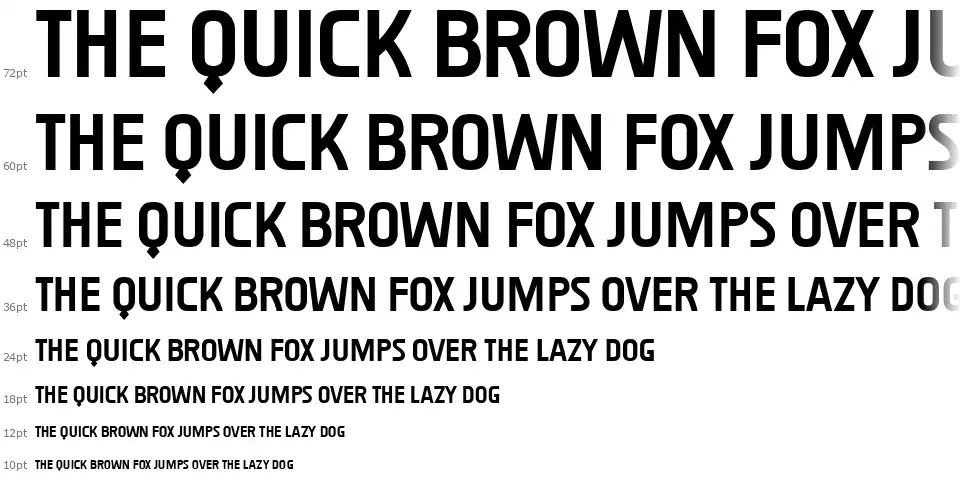
Impact font is a sans-serif typeface designed by Geoffrey Lee in 1965. Its name perfectly encapsulates its purpose: to make an impact. Its distinct characteristics—extremely thick strokes, condensed letterforms, and tight spacing—make it incredibly attention-grabbing. It doesn't whisper; it shouts.
Understanding Impact's Persona: Bold, Urgent, Unmissable
Impact's personality is direct, powerful, and assertive. It's the visual equivalent of a megaphone. This makes it incredibly effective for:
- Headlines: Instantly grabbing attention in busy feeds.
- Calls-to-Action (CTAs): Demanding immediate responses ("Shop Now!" "Learn More!").
- Promotional Banners: Announcing sales, discounts, or limited-time offers.
- Memes and Viral Content: Its inherent boldness makes it a natural fit for internet culture, where quick, clear, and often humorous messaging reigns supreme.
The Psychology of Boldness: Creating Urgency and Memorability
Bold fonts, by their very nature, trigger a sense of importance and urgency. They're designed to be noticed and remembered. When you use Impact, you're tapping into this psychological effect. It communicates: "This is important! Look here now!" This power, however, must be wielded carefully. Too much shouting, and your audience will tune out.
Where Impact Shines Brightest: Viral Content, Promotions, and Call-to-Actions
Consider a flash sale announcement. A headline in Impact font cuts through the noise, clearly communicating the urgency. Or a compelling meme that needs its punchline delivered with undeniable force—Impact is often the go-to. Its ability to command attention makes it excellent for: - Facebook and Instagram: Where visual dominance and scroll-stopping power are paramount.
- Short-form video captions: Ensuring key messages are legible even with quick cuts.
- Thumbnail text: Making your video or blog post stand out in a grid.
Strategic Integration: A Step-by-Step Guide to Using Impact Font Effectively
Integrating Impact font successfully isn't just about finding the font; it's about mindful design choices.
Step 1: Brand Alignment – Does Impact Fit Your Vibe?
Before you even consider using Impact, ask yourself: Does its assertive, bold personality truly align with your brand's core traits?
- If your brand is about high-energy, direct communication, urgency, or a playful, meme-savvy tone, Impact could be a fantastic fit. Think sports brands, quick-service restaurants, or youth-oriented tech companies.
- If your brand leans towards luxury, sophistication, serene wellness, or traditional corporate professionalism, Impact might clash. A luxury brand using Impact could come off as cheap or overly aggressive.
Modern brands often use clean sans-serif fonts, while traditional businesses typically use serif fonts. Playful projects might opt for whimsical or artistic fonts. Understanding this spectrum is crucial.
Step 2: Readability First – Even Bold Fonts Need Clarity
The ultimate goal of any text is to be read. Impact's condensed nature means it can become difficult to read if used for long blocks of text or if the sizing isn't right.
- Choose fonts that are clear and legible on all devices. Always test your designs on different screen sizes (desktop, tablet, mobile) to ensure Impact remains legible.
- Employ a fluid typography system to adjust font size dynamically based on the user's screen. This ensures your powerful message is never lost due to tiny text on a phone.
- Pay attention to line length for optimal readability. Too many characters per line can strain the eyes, even with a bold font.
Step 3: Consistency is Your Compass – A Unified Brand Voice
Even when using Impact for high-impact moments, consistency within your overall brand typography is key.
- Apply chosen fonts uniformly across all social media channels and marketing assets. Impact might be your "shout" font, but what are your "speak" and "whisper" fonts?
- Decide when and where Impact will be used. Is it only for headlines? Only for calls-to-action? Having clear guidelines prevents your brand from looking disjointed.
Step 4: Smart Pairing & Hierarchy – Impact as a Headliner, Not a Monologue
Impact is best used as a star player, not the entire team. It shines brightest when paired with complementary fonts that provide balance and establish clear visual hierarchy.
- Combine complementary fonts. A common and effective strategy is pairing a bold sans-serif like Impact for headings with a more readable serif or a lighter sans-serif for body text. This creates contrast, making your Impact headline pop.
- Use contrast (e.g., varying font weights like bold headings vs. light body text) to highlight key information. Impact is your heavy hitter; let other fonts play supporting roles.
- Implement typographic hierarchy effectively. Use larger, darker fonts for titles (where Impact excels), slightly smaller for subtitles, and a standard, legible font for any longer body text. This guides the reader's attention smoothly through your content.
Step 5: Platform & Content Match – Tailoring Impact to the Channel
Different social media platforms have different dynamics and expectations.
- Bold/Heavy fonts are effective for attracting attention on Facebook and Instagram. Impact thrives here, especially in graphic overlays for images or short video captions.
- Minimalist Sans-serif fonts enhance readability on LinkedIn and Twitter where professionalism and concise information delivery are prioritized. Using Impact here might be too aggressive unless it's for a very specific, impactful, and short announcement.
- Handwriting fonts add a personal touch and relatability on Instagram and Pinterest, often used alongside more formal branding fonts.
- Avoid overly elaborate fonts that can hinder navigability, especially for crucial information.
When you need to quickly generate text with Impact's distinctive look, especially for memes or dynamic visuals, tools are available. For those looking to create quick, impactful text for social media graphics, you might want to explore our impact font generator to streamline your design process. It can be particularly useful for ensuring consistency in Impact's appearance across various quick-turnaround content pieces.
Step 6: Optimize for Performance – Speed and Seamless Display
In the digital world, speed matters.
- Consider using system fonts over web font files for faster loading and consistent display across devices. While Impact is widely available, if you're using more niche fonts alongside it, be mindful of load times.
- Prioritize mobile-first design. Most social media consumption happens on mobile. Ensure your Impact headlines are readable and don't break lines awkwardly on small screens.
Common Pitfalls to Avoid When Using Impact Font
Wielding a powerful tool like Impact comes with responsibility. Misuse can detract from your message rather than enhancing it.
Overuse: When Everything Shouts, Nothing is Heard
The most common mistake with Impact is using it for too much text or too frequently. If every headline, sub-headline, and call-to-action is in Impact, the font loses its "impact." It becomes visual noise, overwhelming the reader and making your content feel aggressive rather than authoritative. Use Impact for the most important element you want to highlight, not every element.
Poor Pairing: Creating Visual Chaos
Trying to pair Impact with another equally bold or highly decorative font can result in a chaotic, unreadable mess. Impact needs a partner that lets it be the star while providing a calming, legible counterpoint. Avoid pairing it with other condensed, heavy, or overly styled fonts.
Ignoring Hierarchy: A Muddled Message
If you use Impact for both a headline and a sub-headline, or worse, for a significant portion of body text, you undermine typographic hierarchy. The reader won't know what to focus on first, leading to confusion and frustration. Each piece of text should have a clear role, defined by its font choice, size, and weight.
Legibility Issues: Too Small, Too Cluttered
Impact's condensed nature means that when scaled down too much, its letters can become blurry or difficult to distinguish. Similarly, tight letter spacing, while part of its character, can become problematic if the text is too small or if you try to pack too many words into a small space. Always ensure adequate spacing and size for maximum legibility, especially on diverse devices.
Real-World Impact: Seeing the Difference Strategic Font Choices Make
Strategic font use isn't just theoretical; it yields measurable results. Case studies demonstrate increased engagement from thoughtful typography:
- Brand A Revamp (Serif): A traditional service-based business updated its branding with a sophisticated serif font for its website and social media profiles. The result? A +30% engagement increase on their evergreen content, signaling enhanced trustworthiness and professionalism.
- Product Launch Video (Sans Serif): A tech startup used a clean, modern sans-serif for their product launch video captions and promotional materials. This conveyed innovation and accessibility, leading to a +50% engagement on their video ads and higher click-through rates.
- Seasonal Promotion (Custom Script): A boutique bakery launched a seasonal promotion using a whimsical custom script font for their campaign-specific graphics. This added a personal, unique touch, contributing to a +20% engagement spike for the limited-time offer.
These examples underscore that the right font choice, whether it's the bold assertion of Impact or the elegant flow of a script, directly translates into better audience connection and measurable success.
Tools and Resources to Elevate Your Typography Game
You don't need to be a design expert to make smart font choices. A wealth of tools and resources can guide you.
Exploring Font Libraries: Adobe Fonts, Google Fonts
These comprehensive libraries offer thousands of fonts, many of which are free or included with subscriptions:
- Google Fonts: An extensive collection of free, open-source fonts. It’s an excellent starting point for finding high-quality sans-serifs, serifs, and display fonts to pair with Impact.
- Adobe Fonts: Included with Adobe Creative Cloud subscriptions, offering a curated selection of professional-grade fonts that integrate seamlessly with design software.
These platforms allow you to browse, filter by style, and test fonts before committing, ensuring you find the perfect partners for Impact.
Testing & Previewing: Ensuring Cross-Platform Perfection
Before deploying any font combination, always test it in real-world scenarios. - Design tools like Canva, Adobe Express, or Figma allow you to experiment with font pairings, sizes, and colors directly within your design environment.
- Online font testing/preview tools (e.g., FontReach for analyzing font usage on websites, Typecast for web typography, FontPair for pairing suggestions) simulate how fonts appear on different platforms and devices. These tools allow for customization of size, spacing, and color, helping you catch legibility issues before they go live.
- Always do a final check on actual devices (your phone, a friend's tablet) to catch any unforeseen rendering issues.
Moving Beyond Good Enough: Crafting an Impactful Visual Legacy
Integrating Impact font effectively into your social media and marketing strategy is an art form. It requires understanding its inherent power, knowing when to deploy it, and mastering the delicate balance of hierarchy and pairing. When used judiciously, Impact isn't just a font; it's a statement. It can transform your content from merely visible to truly unmissable, driving urgency, enhancing memorability, and ultimately, boosting engagement.
The goal isn't just to use a font, but to forge a visual legacy that resonates with your audience and stands as a testament to your brand's unique voice. By following these guidelines—prioritizing alignment with your brand personality, ensuring readability, maintaining consistency, and strategically pairing Impact with complementary typefaces—you can harness its full potential. The digital landscape is noisy, but with the right typographic choices, your message can cut through the clutter and truly make an impact.